
What to eat on GLP1s
GLP‑1 medications like Ozempic, Mounjaro and WeGovy can markedly reduce appetite, improve glycaemic control, and support cardiometabolic risk reduction. Yet their benefits are maximised (and adverse effects minimised) when paired with targeted nutrition, resistance training, and behaviour support. Without this, people commonly under‑eat protein and fibre, lose disproportionate lean mass, experience GI side effects, and face a higher risk of weight regain after discontinuation.
Key takeaways:
What are GLP‑1 medications? GLP‑1 receptor agonists (and dual GLP‑1/GIP agents) enhance satiety, slow gastric emptying and improve glycaemic control. They can reduce appetite substantially.
Common nutrition challenges on GLP‑1s: Low protein and fibre, under‑eating, nausea, reflux, early fullness, dehydration, constipation, micronutrient gaps, loss of lean mass, energy dips, and weight‑loss plateaus.
Why nutrition matters with GLP-1s: Adequate protein, fibre, micronutrients, fluids, and resistance training preserve lean mass and metabolic rate, ease GI effects, and improve durability of results. Trials and clinical programmes routinely include lifestyle counselling; lack of ongoing support after stopping medication is associated with greater weight regain.
What good looks like on GLP1s: Meals that prioritise protein, nutrient dense, fibre and fluids for gut health, gentle meal structure and mindful pacing (slow eating), alongside resistance training. Personalised for tolerance and side effects.
Who may benefit from nutrition support: Anyone using a GLP‑1 medication. In clinical practice and trials, GLP‑1s are typically paired with structured dietary and lifestyle guidance; this combination helps preserve lean mass, meet protein and micronutrient needs, and manage side effects. Emerging follow‑up data suggest that people who stop medication without ongoing nutrition and behaviour support are more likely to regain weight, whereas those with sustained support tend to maintain more of their progress.
Contents
How GLP‑1 Medicines Affect Appetite, Digestion and Metabolism
The Big Risks to Watch: Muscle, Micronutrients and the Gut
Why You Can’t Just Eat Smaller Portions
How to Build a “GLP‑1‑Friendly” Plate
Sample Day of Eating on GLP-1s
Supermarket & high-street ranges designed for GLP-1 users
Managing Common Side Effects
Exercise Routine on GLP-1s
Protecting Bones on GLP-1s
Weaning off GLP‑1s after reaching your target: how to eat for maintenance
FAQs
Conclusion

How GLP‑1 Medicines Affect Appetite, Digestion and Metabolism
GLP‑1 medications work on several levels at once.
In the pancreas, they boost glucose‑dependent insulin secretion and dampen inappropriate glucagon release, helping to smooth post‑meal blood sugar.
In the gut, they slow gastric emptying via vagal and enteric pathways, so food leaves the stomach more gradually and meals feel smaller yet longer‑lasting.
In the brain, they act on hypothalamic and brainstem circuits to heighten satiety and reduce food‑reward signalling.
The net metabolic effect is lower post‑prandial glycaemia (post meal sugar spikes), reduced overall calorie intake, and, over time, improved insulin sensitivity.
In day‑to‑day life, most people notice their appetite drops quickly and their tolerance for meal size changes. Large, high‑fat, or rapidly eaten meals are more likely to trigger nausea or reflux because the stomach is emptying more slowly. Without a plan, this spontaneous reduction in intake can also mean falling short on protein and key micronutrients, which is why deliberate, balanced meal construction becomes especially important on GLP‑1 therapy.
How Eating Often Feels on GLP-1s
For many people, eating on GLP-1 medications feels very different to before treatment. Common experiences include:
Smaller appetite
Feeling full much earlier
Less interest in food or cooking
Nausea or reflux after heavier meals
Food tolerances changing day-to-day
Anxiety around food waste because portions are smaller
A preference for “gentler” foods such as yoghurt, soup, toast, fruit, oats or smoothies
Heavy reliance on convenience foods during busy periods or low-energy days
This is one reason nutrition quality becomes even more important on GLP-1s. When you are eating less overall, every meal needs to work harder nutritionally.
Rather than simply “eating less,” the goal is to eat better.
Why You Can’t Just Eat Smaller Portions
Technically, weight loss can happen with smaller portions of almost any food if you’re in a calorie deficit. However, on GLP-1 medications, what you eat matters just as much as how much you eat.
Because appetite is reduced, you have less “space” to get the protein, fibre, vitamins, minerals and healthy fats your body needs. If most of your intake comes from ultra-processed or nutrient-poor foods, it becomes much harder to preserve muscle mass, energy, gut health and metabolic health while losing weight.
For example, someone eating mostly crisps, pastries, takeaway foods or sweets in smaller portions may still lose weight, but they’re also more likely to experience:
Muscle loss and reduced strength from inadequate protein
Fatigue, brain fog and low mood from micronutrient gaps
Constipation, reflux or nausea due to low fibre and poor meal structure
Hair shedding or brittle nails linked to low protein, iron or zinc intake
Greater hunger and cravings once medication is reduced or stopped
Faster weight regain after coming off GLP-1s
Highly processed foods are also often designed to be “easy to overeat” because they combine refined carbohydrates, fats and flavourings in ways that bypass normal fullness signals. Even on GLP-1s, many people notice these foods are less satisfying than balanced meals built around protein, fibre and minimally processed ingredients.
The goal on GLP-1s is not simply to “eat less,” but to make every meal count nutritionally. Smaller portions work best when they are protein-forward, fibre-rich and nutrient-dense so your body still receives what it needs while appetite is suppressed.
The Big Risks to Watch: Muscle, Micronutrients and the Gut
Rapid weight loss without enough protein and resistance training can erode lean muscle. As muscle falls, metabolic rate typically declines, and people may notice reduced strength, poorer bone loading, and knock‑on effects for healthy ageing. Preserving lean mass is critical. Aim for a protein‑forward pattern, spread across the day to keep muscle protein synthesis switched on. As a general guide, most adults do well with 1.2-1.6 g of protein per kilogram of target body weight per day, moving higher if older, very active, or advised by a clinician. Distribute protein across three to four eating occasions rather than back‑loading at dinner; each meal should contain a meaningful dose (roughly 20–40 g depending on your needs). Resistance training two to three times per week (full‑body, progressive overload) complements this approach and is one of the strongest levers for protecting muscle, bone and metabolic health during weight loss.
Because GLP‑1s curb appetite and slow gastric emptying, portion sizes often shrink; unless meals are planned, this can also lead to micronutrient shortfalls. Iron, zinc, calcium, iodine, B‑vitamins and omega‑3 fats are common deficiencies when total intake drops. Build plates that include mineral‑rich foods (beans, lentils, dark greens, seeds, shellfish), omega‑3 sources (oily fish like salmon and mackerel, or algae‑based supplements if appropriate), and fortified options where useful (e.g., vitamin B12 if plant‑based). Low levels may show up as fatigue, low mood, impaired cognition, or changes in hair, skin and nails. If any of these occur, it’s important to flag them to your GP.
Gastrointestinal symptoms are another common challenge, particularly during dose changes or after large, high‑fat meals. Nausea, early fullness, reflux and constipation are most common, though some people experience diarrhoea. These issues usually reflect the medication’s effect on stomach emptying and gut motility, but they can be amplified by meal size, speed and composition. If energy dips persist or you notice hair shedding, brittle nails or skin changes, that often signals under‑eating, insufficient protein, iron or zinc issues, or thyroid and menstrual factors that warrant review and targeted correction. Low fibre intake is particularly common on GLP-1s because overall food volume often drops substantially. Over time, inadequate fibre can contribute not only to constipation, but also to poorer gut microbiome diversity, which may have knock-on effects on immune function, mood regulation, blood glucose control and appetite signalling.
How to Build a “GLP‑1‑Friendly” Plate
Use a smaller plate and eat slowly. A useful visual structure:
Half the plate protein
Quarter plate vegetables
Quarter plate complex carbohydrates
Eat in the above order where possible: protein first, then vegetables/fibre, then carbohydrates. This can help support fullness, stabilise blood sugar and improve tolerance when appetite is low.
Protein: Ensure every meal has a palm‑sized portion (20–40 g protein depending on your needs).
Examples: eggs, Greek yoghurt, fish, chicken, turkey, lean beef, quality protein powder in smoothies/soups.
For plant-based sources of protein, ideally 2-palm sized amounts to meet 20-40g protein. Foods like lentils, chickpeas, beans, tofu/tempeh, edamame,Fibre‑rich: two fists of veg/fruit/legumes/whole grains per meal (adjust for tolerance).
Smart carbs: preferably minimally processed, complex carbs, which are higher in fibre.
Examples: brown rice, black rice, wholegrain pasta, wholegrain bread, potatoes with skin on.Healthy fats: 1-2tbsp of healthy fats to aid satiety and fat‑soluble vitamin absorption.
Foods like: extra virgin olive oil, nuts, seeds, avocado, or oily fish.Aim to include at least two portions of omega-3-rich foods per week, such as salmon, sardines, mackerel or trout. Omega-3 fats support heart, brain and metabolic health and may help reduce inflammation during weight loss.
Slower pace: put cutlery down between bites; aim for 20-30 minutes per meal to match delayed gastric emptying.

Sample Day of Eating on GLP-1s
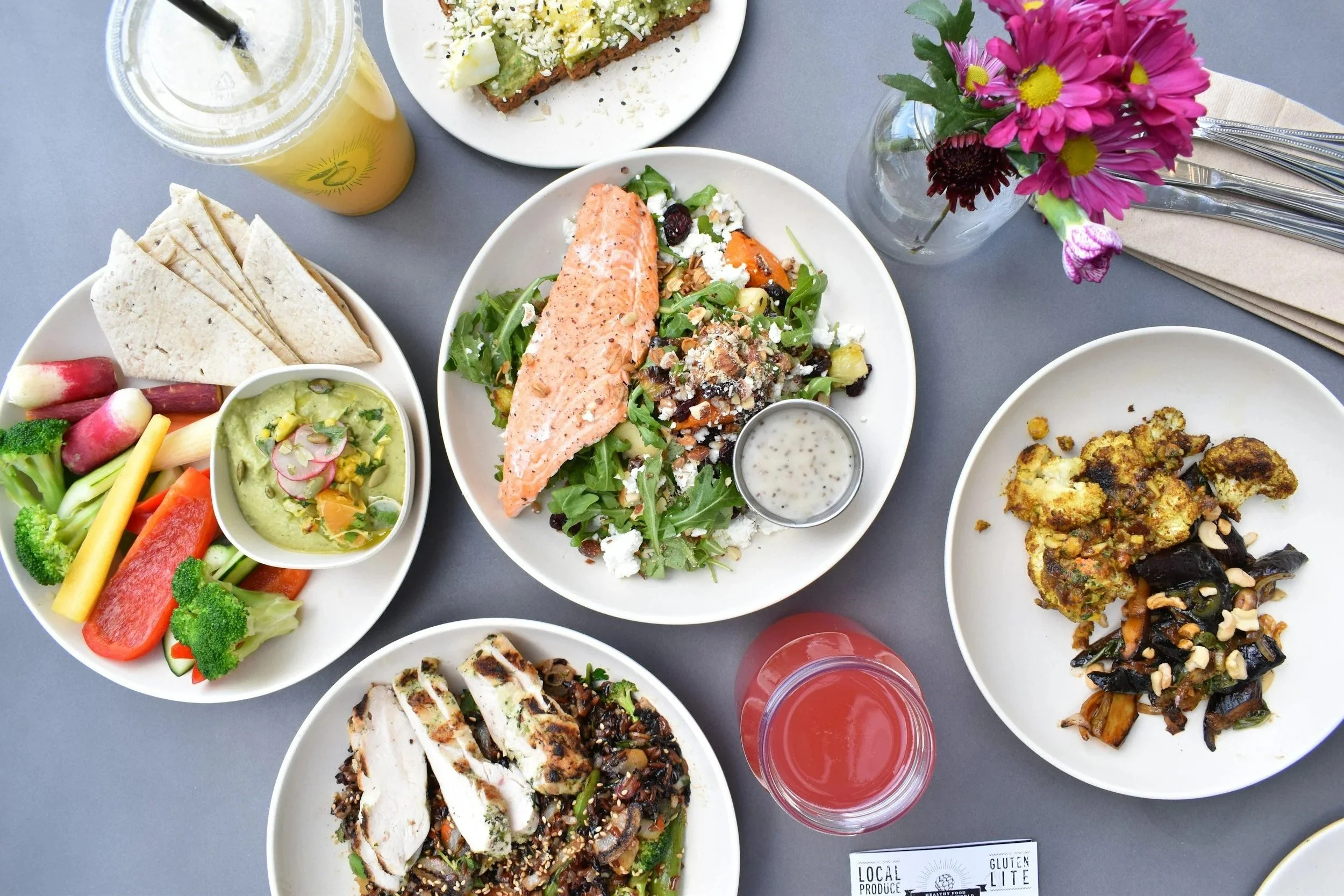
Breakfast: Overnight oats made with kefir, Greek yoghurt, berries, kiwi, nuts, seeds and linseeds.
Lunch: Chicken or beans with brown rice and roasted vegetables cooked in olive oil.
Afternoon snack: Greek yoghurt with berries or hummus with veg sticks.
Evening meal: Salmon stir fry with mixed vegetables and brown rice noodles.
Dessert/snack: A few squares of dark chocolate with Brazil nuts.
Protein Targets and Protecting Lean Mass
General guidance (individualise with your GP):
Aim for 1.2–1.6 g protein per kg target bodyweight per day, spread across 3–4 meals.
E.g., if you weigh 100kgs, this would be 120g of protein. Note 120g protein looks like ~450g chicken, approx. 2 medium sized chicken breasts.
Consider using a meal tracking app to help meet protein targets e.g., MyFitnessPal.Include leucine‑rich sources (dairy, eggs, fish, lean meats, soy) to stimulate muscle protein synthesis.
Add resistance training 2-3 times weekly (full‑body, progressive overload).
On low‑appetite days, use fortified soups, skyr/Greek yoghurt, cottage cheese, or a quality protein shake.
Signs you may need more protein:
Hair shedding
Brittle nails
Slow recovery
Frequent hunger despite GLP‑1
Plateau with strength
Fibre, Fluids and the Microbiome
Target 30g fibre per day (but build gradually)
Fibre supports satiety, steadier blood sugar, regularity, and a healthy microbiome. Because GLP‑1s slow gastric emptying, jumping straight to a high‑fibre intake can cause bloating.
Increase by 3-5g every few days, spreading fibre across meals, and let symptoms guide the pace.Mix soluble and insoluble fibre, based on tolerance:
Soluble fibres (oats, pulses, psyllium, chia) form a gel that slows glucose absorption, softens stools, and feeds beneficial bacteria - often gentler when nausea or reflux are present.
Insoluble fibres (most vegetables, whole grains) add bulk and speed transit.
Most people do best with a blend of both. If you’re gassy or bloated, emphasise soluble first, then layer in more insoluble as tolerated.
Include fermented foods if tolerated: Live yoghurt, kefir, sauerkraut, kimchi, and miso provide beneficial microbes and bioactive compounds that can support gut diversity and barrier function. Start with small portions a few times per week and increase slowly. If histamine sensitivity or IBS symptoms flare, reduce or pause and focus on prebiotic fibres instead.
Hydration: Appetite and thirst cues may both diminish on GLP‑1s, so don’t wait to feel thirsty. Aim for pale‑straw urine as a simple marker. Sip fluids between meals (to avoid overfilling the stomach), and add electrolytes on hot or active days to support hydration without excessive volume.
Multivitamin: Consider taking a daily multivitamin containing around 10mcg vitamin D, particularly during autumn and winter months or if food intake is very low. This can help reduce the risk of micronutrient gaps while appetite is suppressed.
Supermarket & high-street ranges designed for GLP-1 users
As GLP-1 medications become more widely used in the UK, supermarkets and food brands are beginning to adapt their ranges to support people eating smaller portions while still meeting protein, fibre and micronutrient needs.
Some of the most notable examples include:
Marks & Spencer “Nutrient Dense” range
Morrisons “Small & Balanced” range by Applied Nutrition
Co-op “Good Fuel” mini meals
Ocado “Weight Management” range
Tesco “High Protein” range
Pret A Manger protein boxes and salad pots
These ranges can be helpful for convenience, especially during periods of nausea, low appetite or busy schedules. However, they work best as part of an overall eating pattern built around minimally processed protein sources, fibre-rich plants, healthy fats and regular meals rather than relying solely on “diet” products or ready meals.
Managing Common Side Effects
Side effects are most pronounced during dose changes or when eating patterns haven’t yet adapted to slower gastric emptying. The aim is to keep your nutrition on track while easing symptoms with small, targeted adjustments.
Nausea/early satiety:
Smaller, more frequent meals
Avoid heavy/fried foods
Keep fluids between meals not with meals to avoid overfilling. Separate by 30-60min
Ginger or peppermint tea can help nausea
Consider a short walk or fresh air after meals
Reflux:
Earlier, lighter evening meal
Reduce alcohol and high‑fat late dinners
Elevate head of bed
Avoid lying down within 2-3 hours of eating
Some foods can trigger reflux in individuals. Identify your triggers and trial reductions. Common triggers include chocolate, caffeine, tomato/citrus, spicy/fried foods, fizzy drinks, alcohol.
Constipation:
Stepwise fibre increase (especially soluble fibre: oats, chia, psyllium). Start with 1-2tbsp linseeds soaked with plenty of milk/plant milk in a morning bowl of overnight oats, served with 1 sliced kiwi.
Plenty of fluids. 1.5-2L water a day. On active/hot days or with added fibre, you may need more. Aim for pale‑straw urine. Electrolytes can help hydration if drinking 1-5-2L is hard to tolerate.
Daily movement throughout the day, e.g.. 10min walk around the block after a meal
Consider a magnesium citrate supplement in the evening if appropriate.
A targeted psyllium trial can help normalise stool form by adding soft bulk. Start low (e.g., 1 teaspoon in plenty of water daily), hold for 3–4 days, then increase gradually if needed, always with adequate fluids.
Gentle abdominal massage
Ensure you’re sitting in the “squatty‑potty” position when going to the loo. Elevate your feet on to a couple of spare toilet roll tubes so your knees sit above your hips to gently apply increased pressure to the bowels without having to strain.
Some medications and supplements can worsen constipation, so consider speaking to your GP/healthcare provider for a review
Diarrhoea:
Lower insoluble fibre temporarily
Be mindful of alcohol, sugar alcohols (sorbitol, xylitol, erythritol) and a very high fat intake
Use soluble fibre (oats, psyllium), broth, bananas, rice, toast
Keep fluid intake high to prevent dehydration
Consider using electrolytes to replenish lost salts
Appetite too low:
Prioritise protein in the first half of the day
Add calorie‑dense but gentle foods (Greek yoghurt, nut butters, hummus, eggs, olive‑oil dressed veg).
Smoothies with protein (Greek yoghurt), fruit (frozen blueberries, bananas), oats, flax/chia seeds.
Speak with your GP if symptoms persist.
Exercise Routine on GLP-1s
A simple, sustainable exercise framework helps people achieve the best results with GLP-1s, and preserve lean muscle mass.
Prioritise resistance training 2-3x per week
To help preserve and build lean muscle. Ideally full‑body sessions with progressive overload so your strength and lean mass improve as weight comes down.
E.g., free weights, weights machines, banded exercises, bodyweight exercises.Progressive overload is one of the key principles for preserving and building lean muscle while losing weight on GLP-1s. Gradually increasing the challenge placed on the muscles over time - such as adding weight, repetitions, sets, pausing midway through the exercise or less rest between sets - helps maintain strength, support bone density and reduce the metabolic slowdown that can occur during rapid weight loss.
Include low‑impact cardio 2-3x per week.
To build cardiorespiratory fitness, progressing gradually if energy is low or appetite is suppressed.
E.g., walking, weighted walking, cycling, swimming, yoga, pilates.Keep daily movement high through steps and incidental activity.
Frequent, light movement supports metabolic rate, digestion and mood without adding recovery strain.
E.g., Go for a 10-15min walk after each meal.
Fuel appropriately for your sessions: a small carbohydrate‑containing snack before or after training can help, and avoid fasted workouts, especially if they trigger nausea, dizziness or a post‑exercise crash.
Protecting Bones on GLP-1s
Rapid weight loss can affect not only muscle mass but also bone health, particularly if protein intake, resistance training and key nutrients are inadequate. Lower overall food intake may reduce calcium, vitamin D, magnesium and vitamin K intake, all of which play important roles in bone maintenance.
To help protect bone density, prioritise regular resistance and weight-bearing exercise (such as strength training like weights), ensure adequate protein intake, and include calcium-rich foods such as dairy, fortified plant milks, tofu, sardines and leafy greens.
Many people in the UK also benefit from a vitamin D3 + K2 supplement, particularly during autumn and winter months or if intake is low. Vitamin D3 helps increase calcium absorption from the gut, while vitamin K2 helps direct calcium into bones and teeth where it is needed, rather than allowing it to accumulate in soft tissues or blood vessels. Together, they support healthy bone mineralisation and may help protect long-term skeletal health during periods of weight loss and reduced calorie intake.
If you have risk factors for osteoporosis, are post-menopausal, or experience prolonged under-eating, discuss bone health monitoring and vitamin D testing with your GP.
Weaning off GLP‑1s after reaching your target: how to eat for maintenance
Coming off a GLP‑1 is a transition, not a switch. As appetite cues return and gastric emptying speeds up, it’s normal to feel hungrier and to tolerate larger meals. The goal is to keep the habits that protected muscle and metabolic health during treatment while gradually restoring autonomous appetite regulation.
Anchor your plate to protein and fibre, just as before. Keep aiming for roughly 1.2-1.6 g of protein per kilogram of target body weight per day, spread across meals (often 20-40 g per meal depending on size and activity). Pair that with fibre‑rich plants to reach about 30g per day, building in legumes, whole grains, vegetables, fruit, nuts and seeds. These anchors stabilise blood sugar, prolong satiety and help prevent the “pendulum swing” toward grazing.
Reintroduce portion size slowly. In the first 2-4 weeks post‑taper, keep your meal structure consistent (e.g., three meals and one snack) and increase portions by small increments rather than jumping straight to pre‑treatment sizes. Eat deliberately: 20-30 minutes per meal, cutlery down between bites, check in with fullness at the halfway point. If hunger surges at new times, add a planned, protein‑centred snack (yoghurt and nuts; hummus and oatcakes; edamame; cottage cheese and fruit) rather than unstructured snacking.
Prioritise breakfast and lunch. Front‑loading protein and calories earlier in the day improves appetite regulation, reduces evening overeating, and supports training and work performance. Keep dinner earlier and lighter to protect sleep and reflux control.
Hold your training. Continue resistance training two to three times per week and keep daily steps high. If weight creeps down further or strength stalls, increase portions; if weight rebounds quickly, review snack frequency, evening alcohol, ultra‑processed foods and weekend variability before making larger changes.
Use gentle accountability. Track body weight or waist measurements once weekly at the same time of day, alongside two or three functional markers (sleep quality, energy, training performance). If a regain trend persists for 2-3 consecutive weeks, tighten the basics: protein minimums, fibre targets, planned meals, and post‑meal walks.
Mind the common trip‑wires. Alcohol lowers inhibition and sleep quality; keep it modest and earlier with food. Late, large, high‑fat meals can reignite reflux and fragment sleep, which in turn drives cravings. Ultra‑processed snacks compress a lot of calories into small volumes that bypass appetite checks - reserve them for planned occasions and surround them with protein and fibre.
Consider a stepped taper for appetite. If your prescriber agrees, a gradual dose reduction rather than abrupt cessation can make the appetite transition smoother while you bed in maintenance routines.
If you notice strong hunger, rapid weight regain, or loss of control around food, don’t white‑knuckle it. Re‑establish structure (three meals, one planned snack), set protein minimums, add a short post‑meal walk, and consider nutrition support. A few weeks of targeted coaching during the taper can make the difference between a wobble and a lasting maintenance phase.
FAQs
-
Anyone using GLP‑1s benefits. In both trials and clinical practice, GLP‑1 therapy is typically combined with dietary and lifestyle guidance. This pairing helps preserve lean mass, meet protein and micronutrient needs, manage GI effects, and improves maintenance after dose changes or discontinuation.
-
Most adults do well at 1.2-1.6 g/kg target bodyweight/day, higher with ageing or heavy training if medically appropriate. Distribute across meals (e.g., 30–40 g at breakfast/lunch/dinner) to support muscle protein synthesis.
-
Use smaller, more frequent meals; choose softer textures (soups, yoghurt bowls, smoothies with protein); sip fluids between meals; front‑load protein earlier in the day; consider fortified options (skyr, cottage cheese, tofu puddings, protein‑enriched soups).
-
Increase soluble fibre gradually (oats, psyllium, chia), drink enough water/electrolytes, walk daily, consider magnesium at night if appropriate, and review iron/calcium supplements. Persistent issues warrant clinical review.
-
Abrupt loss of appetite control and faster gastric emptying without established eating patterns, resistance training, and behaviour supports. Maintaining protein targets, meal structure, activity, and coaching during and after tapering improves durability.
-
GLP-1 medications reduce appetite so effectively that many people eat substantially less food overall. While this can support weight loss, it also means there is less room for nutritional “extras” and fewer opportunities to meet protein, fibre, vitamin and mineral requirements.
This is why nutrition quality matters more — not less — on GLP-1s. If most meals are ultra-processed or low in nutrients, it becomes much easier to develop constipation, fatigue, muscle loss, low energy, poor recovery and micronutrient deficiencies.
Smaller intake requires smarter nutrition. The aim is not simply to eat fewer calories, but to maximise nutrition within a reduced appetite.
Conclusion
GLP‑1 medicines reshape hunger, fullness, and digestion. The winning approach isn’t to eat “as little as possible,” but to eat intentionally: protein‑forward, fibre‑smart, micronutrient‑aware, nutrient dense meals alongside progressive resistance training, consistent routines and active days. This combination protects lean mass and metabolic health, reduces side effects, and makes long‑term maintenance far more achievable.
If you’re facing side effects, plateaus, or uncertainty about portions and balance, a tailored plan can remove the guesswork. Book a call to get personalised nutrition support so you can reach a healthy target weight, taper confidently when the time is right, and maintain your progress without rebound.
About the author
Laura Andreli, Nutritional Therapist
Laura helps busy professionals take charge of their health with clear, evidence‑informed nutrition.
Laura’s path into nutrition is personal. While studying at Cambridge, she was diagnosed with Polyendocrine Metabolic Ovarian Syndrome (PMOS; formerly termed PCOS) while competing as an England‑level long jumper. Experiencing the impact of hormones and metabolism on performance, recovery and cognition motivated her to dive into the science and retrain so she could offer others the practical, personalised advice she once needed.
Before clinical practice, Laura worked in Investment Banking (J.P. Morgan) and Strategy Consulting (BCG). As a mum as well as a clinician, she understands the realities of 12+ hour days, travel, deadlines and family life, and how challenging it can be to “fit health in”. Her approach is pragmatic and tailored: no cookie‑cutter plans, just actionable strategies designed around each person’s schedule, preferences and goals, so change is not only effective but sustainable.
-
Kushner RF, Calanna S, Davies M. GLP‑1 receptor agonists in clinical practice: mechanisms and outcomes.
Wilding JPH, Batterham RL. Practical guidance on GLP‑1 RA titration and side‑effect management.
Rubino D, et al. Discontinuation of GLP‑1 therapy and weight regain: implications for maintenance strategies.
Phillips SM, Chevalier S, Leidy HJ. Protein “dose” and distribution for muscle health.
Morton RW, et al. Resistance training recommendations to counter fat‑free mass loss during energy restriction.
Slavin JL. Dietary fibre and satiety, glycaemia, and gut health.
St‑Onge M‑P, Mikic A, Pietrolungo CE. Meal timing and metabolic outcomes.
Quince C, et al. Shotgun metagenomics: methodological considerations for clinical microbiome profiling.
Sonnenburg ED, Sonnenburg JL. Fibre–microbiome–host interactions in metabolic health.
Disclaimer
All content found on the lauraandreli.com website including text, video, or other formats have been created for informational purposes only. The content is not intended to be a substitute for professional medical advice, diagnosis, or treatment. Always seek the advice of your doctor, consultant or other qualified health provider with any questions you may have regarding a medical condition. Never disregard professional medical advice or delay in seeking it because of something you have read on this website.